
Table Of Contents:
– How sunscreen works and Importance of Sunscreen For Tan?
– How to choose best sunscreens for tanning?
– How to tan safely with sunscreen?
– FAQs
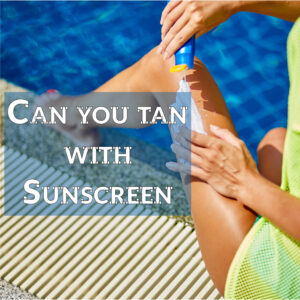
Can you tan with sunscreen?
If you are someone who loves a “post-beach vacation” healthy tan but doesn’t want to harm or burn your skin sitting under the sun, this is the question that has crossed your mind several times, I bet!
A beautiful bronze tan can radiate glamor and confidence like none other, especially if you have dull, pale skin. It not only creates a healthy glow but also helps to make your features (jawlines, collarbone, etc.) look sharper and more prominent. However, when it comes to safe tanning your skin, should you still wear sunscreen for a sun-kissed glow?
Let’s find out!
How Do You Get A Tan?
Tanning is a gradual process. When harmful UV rays penetrate your skin, it starts damaging the DNA under the surface. To protect the DNA and keep it intact, your skin’s defense mechanism starts producing more melanin (responsible for skin color). The enhanced melanin level turns the skin surface darker than before.
Ultraviolet rays work in two ways to make your appearance dark. While the UVA rays increase the production of melanin, the UVB ones darken the existing melanin to make the tanning process even faster. Therefore, the longer you are exposed to the sun, the darker you get.
However, even though a tan gives your skin a stunning sun-kissed glow, it’s also a sign of damaged skin. Long hours of sun exposure can burn and harm your skin, leading to discoloration, premature aging, and even skin cancer.
How Sunscreen Works? Importance of Sunscreen!
The concept of sunscreen is very simple; this skincare product creates a protective barrier on the skin’s surface to prevent the harsh UV rays from penetrating through and damaging your skin. A sunscreen protects your skin and maintains its outlook.
A sun cream works in two ways: physical and chemical.
- Physical-based sunscreens create a physical barrier over the skin surface while scattering the UV rays away.
- Chemical-based sunscreens, on the other hand, are absorbed deep into the skin layer and fight the sunlight from within. They alter the UV rays to ensure that they can’t cause any harm to your sensitive skin.
While both these type of sun creams have their own set of benefits, it’s important to consider the SPF level before buying either of them. The higher the SPF, the better it will protect your skin from burning and tanning.
Can You Tan with Sunscreen?
It might come as a shock to some, but you can actually get a tan with sunscreen. Although higher SPF (sun protection) can provide higher protection to your skin, it’s not 100% foolproof; even the highest SPF can only provide up to 98% sun protection. Hence, it can still tan but at a slower and safer rate. The tan will also be lighter than usual.
If you want a more prominent bronze but don’t want to harm your skin, use SPF 30 or SPF 35; such moderate sun protection will protect your face and body while also tanning them perfectly.
While there are many other options to tan your skin, sunscreen tanning is considered one of the best and safest.
Sun Exposure Risks: How to Protect Your Skin From Sun Damage?
Exposing your skin for a long time under the sun can be extremely damaging. Not only sunburns, but it can also cause a few more skin concerns and make you look unappealing. Some of the most prominent risks associated with sun exposure are:
- Sunburn: Your skin can burn easily from sun exposure. As the skin is sensitive, UV rays and heat from the Sunlight can cause immediate inflammation and redness and burn it in no time. Although sunburn looks bronzy and fabulous, on some, it can lead to skin cancer.
- Premature Aging: The fact that even young people are showing signs of aging is because of extreme sun exposure. When the UV rays go deep into the skin layer, they break down collagen and elastin and hamper the skin barrier subsequently. Because of less elasticity and firmness, your face starts showing various signs of aging (wrinkles and fine lines), making you look older than you actually are.
- Hyperpigmentation and Sunspots: The UV rays can burn some parts of your skin more than others, causing hyperpigmentation and sunspots. These spots make your skin look uneven and “not so attractive.”
- Skin Cancer: Even though it might seem extreme, over-sun exposure can actually cause skin cancer. As the harmful UV rays can destroy the skin barrier and immune response, they make it weak and less responsive to infections and diseases, which may lead to skin cancer over time.
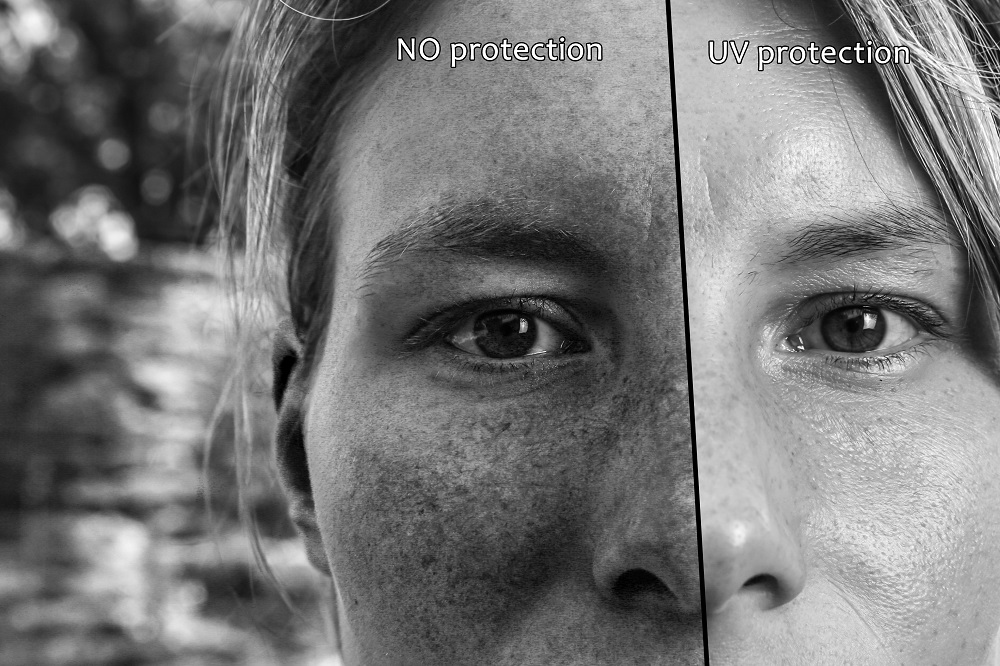
The damaging effect of sun exposure is undeniable. Therefore, you must always protect your precious skin before going out. Incorporate good sunscreen into your daily skincare routine (especially before going out) to make sure that you don’t burn or harm your skin in any way. A broad-spectrum sunscreen that includes at least SPF 30 will block 97% -98% of the UV rays and shield your face and body from sunburns effectively.
However, as no sun cream can block 100% of the UV rays, there is a chance that you might still tan even with the highest SPF. If you don’t want your complexion to darken, wear protective clothing and a hat, or use an umbrella with sunscreen for additional protection.
How To Choose The Best Sunscreens For Tanning?
Even though there are hundreds, if not thousands, of sunscreens on the market, not all of them are effective and can protect your precious skin while tanning. We have discussed a few tips to help you find just the right sun cream for your vanity.
Decide On The Type of Sunscreen
As there are two types of sunscreens available (physical and chemical), first, decide which of the types you want to apply on your face and body. While physical-based sunscreens are gentler on the skin, chemical-based ones are lightweight and don’t leave any white cast behind.
Look For Broad-Spectrum Protection
Make sure that your sunscreen has a “broad-spectrum” written on the container to ensure maximum UV protection. This quality in sun cream ensures that it can repel both UVA and UVB rays and keep skin burns and damage at bay.
SPF Level Matters
Look for SPF 50 or up for maximum sun protection. However, if you are looking for the best sunscreen for tanning, buy SPF 30; this can resist about 97% of the UV rays while darkening your skin safely.
It is very important to choose the right level of SPF and use it often. For this, Dr. Jane Smith(Dermatologist) said – “Even with sunscreen, the skin is exposed to some UV radiation, so it’s vital to choose the right SPF and reapply often to reduce the risks of skin cancer while enjoying a tan.”
When it comes to our minds, where can we find the perfect sunscreen for tanning? We have already made a list of some of the best sunscreens from Amazon with detailed reviews that you may find helpful.
A Water-Resistant Formula Is Essential
If you are a sweaty mess, don’t forget to buy a sun cream with a water-resistant formula. This formula works even if you get wet and, hence, ensures top-notch sun protection.
For a more detailed guide on how to choose the best sunscreens for daily use, you can check our blog.
How to Tan Safely with Sunscreen?
There is no such thing as 100% safe sun-tanning. However, with the right sunscreen, you can reduce the amount of sun damage by several degrees and tan your skin without suffering from any prominent damage.
- Make sure to pick the correct type of sunscreen. SPF 30, with a broad spectrum, will tan your skin without causing any severe damage.
- Make sure to apply the sun cream or lotion correctly. Take a generous amount and put it on your face and body for not more than 15 minutes before going out.
- Remember to reapply the sunscreen often to ensure the utmost sun protection.
- Be careful of reflections. Reflections are more powerful and hotter than the actual sun rays and can burn your skin quickly, even with sunscreen on.
Alternatives to Sun Tanning
Exposing your skin to the sunlight isn’t the only way to tan; there are more than a few ways to get that gorgeous glow in your skin. Let’s discuss some of the safest alternatives so that you can flaunt your tan confidently:
Self-tanning Lotions and Creams
Self-tanning lotions and creams are one of the safest and quickest ways to achieve that stunning tan on your face and body. These products contain DHA (dihydroxyacetone), which causes a chemical reaction on the surface of the skin to create a beautiful hue.
Spray Tans
This is another form of tanning cream with a different application process; Spray tan also contains dihydroxyacetone to darken your skin effectively. This product is comfortable to apply and comes in different shades to make sure you get the desired skin color.
Tanning Drops
For a more natural, subtle glow, tanning drops are the best option. You can mix it with your day-to-day moisturizer and apply it to maintain the tan on your face and body.
Spray Tan Booths
Tanning booths or beds are fancy. They incorporate UV lights to tan your skin quickly. As these lights are powerful and simulate sunlight, you need to be extra careful while using these booths.
Frequently Asked Questions
Can you still absorb vitamin D after applying sunscreen?
Although wearing sunscreen can block the absorption of UVB rays, Vitamin D can still penetrate the skin easily. This product doesn’t affect the penetration of Vitamin D in any way. However, as the sun cream creates a barrier on the skin, the absorption of this nutrient becomes a bit slower than usual.
What SPF is best for tanning?
SPF 30 is the best for tanning. It creates a perfect balance of protection against the sun and creates a beautiful, healthy tan on your skin. This SPF level ensures that your skin doesn’t get burned while you are out under the sun for a natural tan.
Can you tan with SPF 50?
Even after applying a high SPF, like SPF 50, you can still get a tan. Although such high sun protection can block about 98% of the damaging UVB rays, it still lets some sunlight penetrate the skin layers, creating a beautiful tan over time.
Can you wear SPF on a tanning bed?
It’s better not to wear an SPF on a tanning bed. The sunscreen will prevent the machine from creating a gorgeous color on your skin.
Will I tan faster without sunscreen?
You will definitely tan faster without sunscreen. As your skin is bare, it is fully exposed to the dangerous UV rays of the sun and gets tanned even before you know it. However, there are risks of sunburns and long-term skin damage.
Is UV protection necessary while tanning?
UV protection is extremely necessary, even when you are tanning. Sunscreen can defend your skin from the harmful rays of the sun and prevent any type of skin burns or damage.
Tanning Oil or Sunscreen? What should you put on first?
For a safe tanning session, first apply sunscreen and then apply tanning oil. The sunscreen will protect the skin from severely burning due to the harsh sunlight, while the oil above will make the tanning process quicker so that you don’t have to be beneath the sun for a long time.
Wrapping Up
Being tan never goes out of style. Even though there are many misconceptions about tanning with sunscreen, this article has revealed the truth about tanning safely with sun protection. Include your favorite sunscreen into your daily skincare routine and get that perfect sun-kissed glow without harming your skin.
Although there are other tanning options available, tanning with sunscreen is safer as it protects the skin from impairment while giving that beautiful color.
For more safe tanning tips, don’t hesitate to comment below!