

Wrinkles, fine lines, sunspots, and an uneven texture are just a few of the many changes that skin goes through as we get older. These issues can now be addressed appropriately thanks to cosmetic dermatology’s recent developments. Laser therapy for skin is among the most sought-after and efficient options today. Laser skin rejuvenation is the subject of this essay, covering all the bases: what it is, how it works, the different kinds of operations involved, the recovery time, and why it is the best alternative.
Table Of Contents
– Various kinds of laser therapy types
– Benefits of laser therapy
– CO2 Lesar therapy
– Erbium Lasers Therapy
– Nd:YAG Lasers Therapy
– Pulsed-Dye Lasers Therapy
– Pre and post-treatment care for laser therapy
– Side Effects and other hazards of laser therapy
– How to do long-term care?
– Laser Therapy Supplement Products
A Beginner’s Guide to Laser Skin Therapy
Using concentrated beams of light in laser therapy, also known as laser resurfacing, is a non-invasive technique that enhances the skin’s look. Wrinkles, scars, hyperpigmentation, and texture irregularities are some skin ailments it treats specifically. Smoother, younger-looking skin results from increased collagen formation, which the laser energy promotes. Collagen is a protein that provides skin with firmness and suppleness.
Many Forms of Skin Laser Treatment
Several laser options for skin treatments are designed to deal with a unique set of issues. Ablative and non-ablative lasers are the two most common types of laser treatments.
Ablative Lasers
The more powerful ablative lasers remove the epidermis, the top layer of skin, to make way for healthier, newer skin to grow. They work wonders for severe sun damage, scars, and deep wrinkles. There are several common kinds of ablative lasers:
- CO2 Lasers: Deep wrinkles, scars, and warts can be effectively treated using CO2 lasers.
- Erbium Lasers: Compared to CO2 lasers, erbium lasers have less downtime and are more effective at addressing moderate to fine wrinkles.
Non-Ablative Lasers
Yet, non-ablative lasers can heat the dermis without harming the outer layer of skin. This procedure addresses pigmentation problems, fine wrinkles, and minor scars because it increases collagen formation. Some examples are:
- Nd:YAG Lasers:Vascular lesions, fine lines, and sagging skin can all be addressed with the help of Nd: YAG lasers.
- Pulsed-Dye Lasers:Lasers that pulse dye help treat spider veins, rosacea, and certain scars.
Benefitsof Laser Skin Treatments
Because of its many advantages, laser therapy treats people who want their skin to look younger and healthier. Here are a few of the main benefits:
- Precision: The pinpoint accuracy of lasers allows them to treat only the portions of skin they intend to without harming any neighboring tissues.
- Minimal Downtime: Recovery time after laser treatments is often much less than other invasive operations, thanks to the variety of lasers available.
- Versatility: Laser therapy has you covered from pigmentation problems to fine lines and wrinkles.
- Long-lasting Results: Laser therapy is a cost-effective treatment choice since, with the proper maintenance, the effects can endure for a long time.
CO2 Laser Therapy: A Powerful Solution for Skin Rejuvenation
CO2 laser therapy is among today’s most cutting-edge and efficient skin laser treatments. This treatment uses a carbon dioxide laser to eliminate damaged skin’s outer layers, exposing younger, healthier skin beneath. Those looking for a thorough skin rejuvenation solution often turn to it because of how well it treats deep wrinkles, scars, warts, and substantial sun damage.
How CO2 Laser Therapy Works
The carbon dioxide laser uses focused beams of light to vaporize the injured tissue layer by layer as it penetrates the skin. The technique encourages collagen synthesis deep beneath the skin while simultaneously removing the surface layers. Improving skin texture and diminishing the appearance of wrinkles are two long-term benefits of increasing collagen production, an essential protein responsible for the firmness and suppleness of skin.
Benefits of CO2 Laser Therapy
CO2 laser therapy is among the most popular skin laser treatments because of its advantages. Here are a few of the main benefits:
- Skin Rejuvenation Made Easy: CO2 laser therapy can fix various skin issues, such as sun damage, acne scars, and deep wrinkles.
- Long-Lasting Results:The benefits of a CO2 laser treatment stay long, and they keep improving as collagen production rises.
- Customizable Treatment:The CO2 laser’s depth and intensity can be modified according to each patient’s skin type and specific issues, enabling a personalized treatment plan.
A Walkthrough of the CO2 Laser Therapy Process
A consultation is the first step in the CO2 laser therapy process, during which your skin will be evaluated to establish the optimal treatment plan. A local anesthetic is administered on the day of the procedure to make the process as painless as possible. After that, the treatment region is delicately passed over the laser, which stimulates the creation of new skin cells while eliminating damaged ones. The total time required to treat the region can range from thirty minutes to two hours.
Recovery and Aftercare
Redness and swelling, reminiscent of a bad sunburn, are typical side effects of the treatment. As you recover, this is entirely natural. Following your dermatologist’s procedure, you may be advised to use the ointments they prescribed, stay out of the sun, and follow a light skincare regimen. The benefits—a younger, smoother complexion—are well worth the time it takes for a full recovery, which can take several weeks.
Is CO2 Laser Therapy Right for You?
If you have severe skin issues that need intensive treatment, CO2 laser therapy is a great choice. Because of the increased likelihood of hyperpigmentation, it might not be appropriate for all skin tones. People of darker complexion may want to look elsewhere. Talking to a dermatologist can help determine if this treatment suits your skin and goals.
Finally, CO2 laser therapy is head and shoulders above the other among skin laser treatments. People who want their skin to look its best for a long time continue to choose it because of the thorough renewal it provides.
Erbium Lasers: A Precision Approach to Skin Rejuvenation
Erbium lasers are well-known in skin laser therapy for their ability to precisely and effectively cure mild to moderate wrinkles, fine lines, and other superficial skin issues. Compared to the more aggressive CO2 lasers, Erbium lasers provide a kinder option that is nonetheless quite effective and requires much less downtime for recuperation. Because of this, they are an excellent option for people who want to improve the tone and texture of their skin without requiring a lot of downtime.
How Erbium Lasers Work
The water in skin cells absorbs light energy emitted by erbium lasers at a specific wavelength. The damaged outer layers of skin are successfully removed as this energy vaporizes the tissues that contain water. By focusing on the skin’s water content, erbium lasers can accurately remove superficial layers of tissue while causing very little heat harm to the surrounding tissues. Patients with sensitive skin or seeking a more conservative treatment strategy may find that Erbium lasers are a good fit due to their precision, which minimizes the risk of side effects and speeds up the healing process.
Why Erbium Laser Therapy Is Beneficial?
In the field of skin laser therapy, erbium lasers have numerous noteworthy advantages, such as:
- Minimal Downtime:Recuperation Time is Typically Shorter After Erbium Laser Treatments Than With Other Lasers Because of Their Precision and Lower Thermal Damage.
- Versatility:The versatility of erbium lasers makes them ideal for the treatment of a wide variety of skin concerns, including but not limited to fine lines and wrinkles, acne scars, and uneven pigmentation.
- Safe for All Skin Types:Hyperpigmentation is less likely to occur using these lasers, making them safe for all skin tones.
- Natural-Looking Results:Results that Don’t Look Artificial: Unlike more harsh procedures, the pinpoint accuracy of Erbium lasers makes for a more subtle, undetectable improvement in skin tone and texture rather than a drastic “overdone” appearance.
What to Anticipate from an Erbium Laser Therapy Procedure?
Having an Erbium laser therapy procedure done is usually a fast and painless process. The treatment region may be covered with a numbing lotion or a local anesthetic to lessen any potential pain. After determining which regions of the skin need treatment, the dermatologist will run the Erbium laser over them. Depending on the treatment area’s size, the process often takes less than an hour. Typically, patients report little to no discomfort from any tingling or warmth they may feel throughout the procedure.
Recovery and Aftercare
Like a moderate sunburn, Erbium laser treatment patients may experience swelling and redness after the procedure. However, these adverse effects usually don’t last as long or as severely as other laser treatments. Most patients can return to their regular routines within a few days. After a dermatologist’s procedure, it is essential to follow their aftercare recommendations, which may include utilizing mild skin care products, staying out of the sun, and applying calming ointments. Within a week or two, you will see that your skin has healed completely and will look younger and refreshed.
Are You a Good Candidate for Erbium Laser Therapy?
If you want to treat superficial skin issues with little downtime, erbium laser therapy is a great option. Those with fairer complexions or who choose a more subtle method of skin laser treatment will benefit most from this method. Before deciding whether or not Erbium laser therapy is right for you, you must consult a competent dermatologist to go over your skin type, issues, and aesthetic objectives in detail.
In conclusion, erbium lasers are popular among individuals seeking younger-looking skin without the extended downtime associated with more harsh treatments since they are precise, effective, and gentle.
Skin Rejuvenation with Nd: YAG Lasers: A New Standard in Laser Therapy
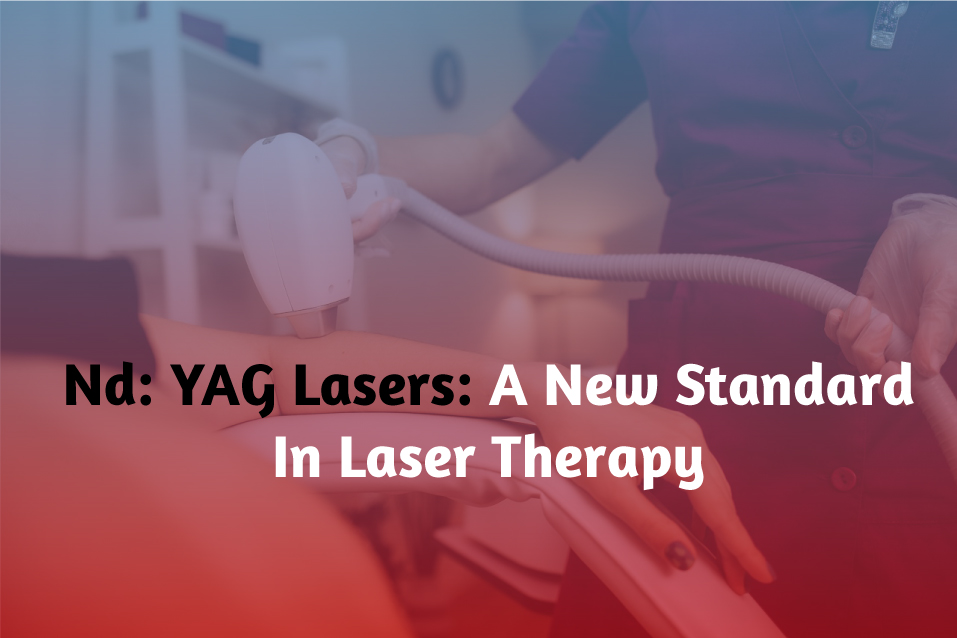
One of the most flexible and successful solutions for skin laser therapy is the Nd: YAG laser. These lasers have penetrated the dermatological industry by effectively treating various skin issues. A safe and effective treatment option, Nd: YAG lasers can improve skin texture, diminish the indications of aging, and address particular dermatological conditions.
What is Nd:YAG Laser Therapy?
Neodymium-doped Yttrium Aluminium Garnet, or Nd: YAG for short, is a laser material that produces light with a wavelength of 1064 nanometres. This wavelength’s profound, penetrating nature makes it ideal for targeting subcutaneous areas while sparing the skin’s outer layers. Because of this, Nd: YAG lasers are excellent for treating a wide range of skin diseases, including those at a deeper level.
Problems Addressed by Nd: YAG Lasers
An essential component of skin laser therapy, Nd: YAG lasers successfully treat various skin conditions. Among the many medical issues that Nd: YAG lasers typically address are:
- Vascular Lesions:Conditions related to the blood vessels, such as spider veins, rosacea, and haemangiomas, respond well to treatment with Nd: YAG lasers. The laser is focused on the blood vessels, which makes them burst and then gets absorbed back by the body.
- Hyperpigmentation: Age spots, sun damage, and other forms of hyperpigmentation can be diminished with this laser treatment. The laser light vaporizes the skin’s pigment, which the body flushes out.
- Acne and Acne Scarring:Reduce active acne and scarring using Nd: YAG lasers, killing acne-causing bacteria and stimulating collagen formation.
- Skin Tightening and Wrinkle Reduction:Tightening Skin and Reducing Wrinkles: YAG lasers can tighten skin, diminish wrinkles, and make you look younger by increasing collagen synthesis.
Why Choose Nd:YAG Laser Therapy?
Using Nd: YAG lasers in skin treatment has many benefits over competing methods. Unlike other lasers, they are entirely safe for darker skin tones and all others. The ability to penetrate deeply into the skin makes it possible to treat surface and deep skin issues. Another typical side effect of laser treatments is post-inflammatory hyperpigmentation; however, Nd: YAG lasers are less prone to produce this.
What to Expect During and After Treatment
Nd: YAG laser therapy usually has little recovery time and is speedy. Most sessions range from thirty minutes to an hour, depending on the treatment region. Immediate post-procedure redness or swelling is common, but it often goes away within a few hours to a few days.
When dealing with deeper skin concerns, such as acne scars or large vascular lesions, it may be necessary to schedule multiple sessions to achieve the best possible outcomes. As collagen production improves and the skin heals, you can usually see results after the first treatment, and they keep getting better for a few weeks after that.
In summary, If you’re looking for a versatile and effective skin laser treatment, Nd: YAG lasers are a great option. When treating complex vascular diseases, tightening skin, eliminating wrinkles, and achieving long-lasting benefits, Nd: YAG laser therapy is a great option.
Pulsed-Dye Lasers: Perfect Skin with Accurate Laser Treatment
Pulsed-dye lasers (PDL) are well-known for their accuracy and efficacy in skin laser therapy. Because they provide precise outcomes with little to no pain, these lasers have quickly become standard practice for treating many skin issues. Pulsed-dye lasers have been a trusted treatment for dermatologists for decades, and they can help with vascular lesions, redness, and even certain scars.
Pulsed-Dye Laser Therapy: What Is It?
To achieve their desired effect, pulsed-dye lasers focus and release a narrow beam of light with a specific wavelength, often 595 or 585 nm. The skin’s blood vessels absorb this wavelength, which causes them to heat up and eventually burst. Eventually, the body will absorb the treated vessels. An excellent option for treating vascular issues and redness with little side effects is Pulsed-Dye Laser therapy. The technique is highly targeted and leaves the surrounding skin primarily unaffected.
Conditions Treated by Pulsed-Dye Lasers
Pulsed-Dye Lasers’ versatility in treating various skin issues is one of their most notable characteristics. Among the most common medical issues addressed by this method are the following:
- Vascular Lesions:Regarding vascular lesions, such as spider veins, burst capillaries, and port-wine stains, pulsed-dye lasers work wonders. By focusing on the blood vessels, the laser effectively diminishes their visibility.
- Rosacea:For those who suffer from rosacea, PDL can alleviate the condition’s characteristic redness and flushing.
- Scars: Red or hypertrophic scars, in particular, may be lessened with pulsed dye Laser treatment. Scars treated with the laser tend to diminish and flatten over time.
- Warts and Stretch Marks:Although not widely known, PDL is a flexible dermatological technique that may treat stretch marks and warts.
Pulsed-Dye Laser Therapy’s Benefits
There are several benefits to using pulsed-dye lasers for skin treatments. There is no need for incisions or downtime because they are non-invasive. Cooling devices or topical anesthetics help alleviate the minor discomfort most patients report during the treatment. The laser can precisely target trouble spots without touching the surrounding skin; another major perk is that side effects like pigmentation changes or scarring are less likely to occur.
What to Expect During and After Treatment
In most cases, pulsed dye Laser treatments take little time. Treatment sessions often range from fifteen to thirty minutes in duration. In most cases, patients report little pain, like the snap of a rubber band, but it’s manageable. Redness and swelling are typical side effects of the surgery, although they often go away within a day or two.
For more severe issues, such as deep scars or significant vascular abnormalities, it may be required to do more than one session to get the results you want. Many patients report feeling better immediately after their initial treatment, and they continue to notice results for weeks afterward as their skin recovers and regenerates.
In summary, Pulsed-dye lasers are a potent, non-invasive option for people looking for laser treatment for skin issues like redness, scarring, or vascular lesions. This laser treatment is excellent for people who want healthier, more beautiful skin because it has a history of effectiveness and few adverse effects.
Procedures To A Laser Therapy For Skin: What to Expect
Anyone thinking about getting laser skin therapy should familiarise themselves with the process. Things to anticipate before, during, and after the procedure are detailed here.
Pre-Treatment Preparation
A comprehensive skin evaluation and discussion of your objectives and goals will precede laser therapy with your dermatologist. In the weeks preceding your treatment, your doctor may tell you to stay out of the sun, stop using a particular medicine, and adhere to a specific skincare routine.
During the Procedure
The duration of the operation can differ based on the targeted location. To make things more comfortable, a local anesthetic is usually administered. The skin specialist will next apply laser light to the specific regions. After therapy, patients often report minor side effects, such as a warm sensation or tingling.
Post-Treatment Care and Recovery
A sunburn-like reddening and swelling of the skin may occur after the operation. Applying ointments, avoiding sun exposure, and utilizing gentle skincare products are specific aftercare instructions that your dermatologist will advise. The time it takes for the body to recover after undergoing therapy varies considerably, ranging from a few days to weeks.
Is Laser Therapy Right for Me?
Although not everyone will benefit most from laser therapy, it is a good option for many people who want better skin. Here are a few things to think about:
- Type of Skin: Since laser treatments are less likely to cause pigmentation changes in people with lighter skin tones, they are often more effective.
- Skin Concerns: Wrinkles, UV damage, acne scars, and hyperpigmentation are all skin concerns that can be addressed with this product.
- Medical History: For example, patients with active acne or other skin infections may need to delay treatment until their condition improves.
- Expectations: To be happy with the outcome, it is essential to have reasonable expectations regarding the results.
Possible Hazards and Adverse Reactions
Be mindful of the dangers and adverse effects that may occur with laser therapy, even though it is mostly harmless. A few examples are:
- Redness and Swelling: Common adverse effects of the treatment include redness and swelling, which often go away within a few days.
- Hyperpigmentation or Hypopigmentation: Skin color changes, such as hyperpigmentation or hypopigmentation, are possible, particularly in people with darker skin tones.
- Scarring: Scarring is uncommon, although it might occur if the treatment is overly harsh or aftercare recommendations are not followed.
- Infection: To avoid infection, it is crucial to follow the recommended aftercare procedures.
Long-Term Care: Keeping Your Progress Alive
Consistently following a skincare routine and making lifestyle improvements will maximize the lifetime of your effects. Some suggestions for extending the life of laser therapy’s positive effects:
- Sunscreen: To prevent sunburn, wear a broad-spectrum sunscreen with a sun protection factor (SPF) of 30 or greater.
- Skincare Products: Hyaluronic acid, retinoids, and antioxidants are some skin care chemicals that can help maintain healthy, moisturized skin.
- Regular Maintenance Treatments: Depending on your skin’s requirements, you should get touch-up treatments daily to keep the results.
- Healthy Lifestyle: A healthy lifestyle includes eating right, exercising regularly, and getting enough sleep, leading to better skin.
Cost Considerations: Is Laser Therapy Worth It?
Several variables, like the laser type, treatment area, and number of sessions needed, can significantly affect the final price tag of laser therapy. The outlay can be substantial, but many patients believe the results are worth it. You can save money in the long run by not having to buy as many additional skincare treatments and products.
Laser Therapy Supplemental Products
Several skincare products can work with laser therapy to improve patient outcomes. The following are examples and suggested categories:
- Sunscreens: A must-have for keeping your skin protected after a treatment. X Broad Spectrum SPF 50 Sunscreen is an example of a brand.
- Hydrating Serums: To calm and hydrate the skin, use a hydrating serum.
- Moisturizers: Protect the skin’s protective barrier with moisturizers. Ceramide-Enriched Moisturiser is an example of this.
- Retinoids: The use of retinoids can improve outcomes by increasing collagen synthesis. Retinol Night Cream as an example.
Finally, Have You Considered Laser Therapy?
Accurate, adaptable, and long-lasting laser skin therapy is a formidable weapon against skin aging. Laser treatments may significantly enhance skin texture and appearance, whether you’re addressing pigmentation concerns, scars, or wrinkles. If you want to know if this treatment is good for you and what the risks and advantages are, you should see a dermatologist. Laser therapy can improve your skin’s appearance, making it seem younger and smoother with regular treatment and upkeep.
Affiliate Disclaimer
Please keep in mind that this article contains affiliate links. If you purchase products in this blog through these links, we may receive a commission at no extra cost to you. This helps support our research and editorial team, and we only recommend high-quality products.