
In the past, chemical peels were the go-to for people who wanted their skin to look younger, smoother, and less wrinkled. On the other hand, getting young-looking skin is only sometimes a picnic. Many people’s skin looks worse after getting a chemical peel, which goes against the grain of popular thinking. This first reaction may be concerning, but it’s expected when your skin mends. To maximize its benefits, you should know what triggers it and how to manage your skin moving ahead.
Chemical Peels: The Definitive Guide
Chemical peels include applying a solution to the skin in a controlled manner to exfoliate it. This technique uncovers younger, healthier skin underlying damaged skin by eliminating dead skin cells. Varying levels of exfoliation and peeling are achieved with different depths of chemical peels, which can be superficial, medium, or deep. Medium and deep peels, instead of superficial ones, can alter the skin’s tone and texture by penetrating deeper into the skin.
The first thing to do is apply a chemical solution. Alpha hydroxy acids, beta hydroxy acids, trichloroacetic acid, glycolic acid, and other similar substances are common in these solutions. By breaking the connections that hold dead skin cells to the skin, this combination mimics the natural shedding process and speeds up the exfoliation process. The rate of skin recovery and the degree of peeling are affected by the peel’s depth and strength, the patient’s specific skin type, and general health.
Multiple Options for Chemical Peels
| Type of Peel | Depth | Common Ingredients | Expected Downtime |
|---|---|---|---|
| Superficial Peel | Outer Layer | Alpha Hydroxy Acid (AHA), Beta Hydroxy Acid (BHA) | 1-7 days |
| Medium Peel | Middle Layers | Glycolic Acid, Trichloroacetic Acid (TCA) | 7-14 days |
| Deep Peel | Deep Layers | Phenol, High-strength TCA | 14-21 days |
Your skin’s health, individual concerns, and desired outcomes will determine the best chemical peel. A deeper peel may be necessary for more severe skin problems, such as deep wrinkles or substantial hyperpigmentation. A superficial peel might be all needed to lighten skin tone and fix minor flaws for certain people.
Why is it that a chemical peel might occasionally make skin look worse?
After a chemical peel, some people may notice a slight redness, peeling, and pimples. These side effects are typical and expected, and they demonstrate that the peel successfully removed unhealthy skin cells and exposed the good ones. However, this could be disheartening if you’re expecting a rapid solution. Allow me to provide you with a more comprehensive explanation of why your skin can initially appear worse:
Redness and Inflammation
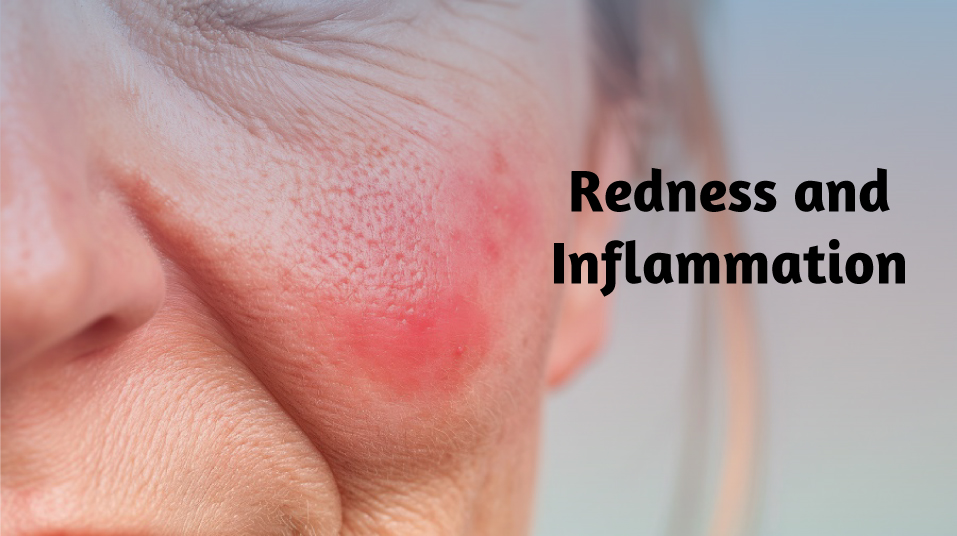
Some redness and swelling are normal after a chemical peel for most people. The skin’s natural healing process starts with this reaction, familiar with the chemical solution. Some people have extreme redness following medium or deep peels, which can linger for several days to a few weeks. Common side effects include redness and swelling, especially in exposed areas like the skin around the eyes.
The skin’s natural healing process has started, as the reddening shows. The peel increases collagen production due to damage to the skin’s outer layers. This protein gives skin structure and elasticity. The inflammation at the beginning of the process may make the skin look worse before it gets better, even if the result is firmer and smoother skin.
Dry, Itchy Skin
A chemical peel does what it says it will: exfoliate the skin. Regardless of its importance, exfoliating the skin eliminates the top layer of dead and harmed skin cells. One negative aspect of peeling skin is that it can force the skin to appear dry, flaky, and uneven. As a result of the peeling, some people’s skin could become highly pigmented, appearing with red or brown patches. If you aren’t prepared, things can get terrifying.
To avoid hurting yourself or others, fight the temptation to pick or scrape your skin. Put extra effort into hydrating your skin and giving it time to peel naturally. Once the peeling and flaking have gone, you’ll be able to see the results of the treatment: new, healthy skin.
Post-Inflammatory Hyperpigmentation (PIH)
A condition known as post-inflammatory hyperpigmentation (PIH) occurs when some parts of the skin become darker as a result of inflammation or injury. This is a more common side effect of chemical peels for people with hyperpigmentation or darker skin. Sometimes, darker patches could be visible even after the skin heals because of increased melanin synthesis.
Brightening therapies such as hydroquinone, kojic acid, or vitamin C can aid with PIH, which is irritating but tolerable. Hyperpigmentation can get worse if you start severe treatment without first seeing a dermatologist. So, proceed with caution.
Breakouts and Purging
Chemical peel side effects could include acne, also called “purging.” When the peel removes dead skin cells and excess oil, it brings these contaminants to the surface, increasing the likelihood of problems like blackheads, whiteheads, and pimples. Those hoping the peel would improve their skin’s condition may find this disappointing.
A skin’s natural defensive mechanism against the peel’s ineffectiveness is purging, so always keep it in mind. The peel helps to exfoliate these dead skin cells and other contaminants, which helps clear out clogged pores and encourages healthy skin over time. Wait for your skin to respond to the medicine, and then the zits disappear.
How to Manage Post-Chemical Peel Skin
You can take measures to hasten the healing process and ease any pain, even if your skin will likely appear worse after a chemical peel. To speed up the healing process and get the beautiful results you want, be sure to follow these post-peel care suggestions:
Keep Your Skin Moisturized
To keep your skin healthy after a chemical peel, moisturize well. It is essential to consume sufficient water if you encounter skin tightness or dryness after peeling. Select a mild, fragrance-free moisturizer if your skin is particularly delicate. Try aloe vera, hyaluronic acid, and glycerin for soothing and hydrating skin that won’t get worse.
Regularly applying moisturizer will help diminish the look of flaking and peeling. You can check our guide on how to choose organic mosturizer. Use a moisturizer multiple times daily if you notice dryness or tightness in your skin. To speed up the healing process and keep your skin from drying out even more, avoid anything that contains harsh chemicals, alcohol, or perfumes.
Explore our recommended moisturizers here on .
Avoid Sun Exposure
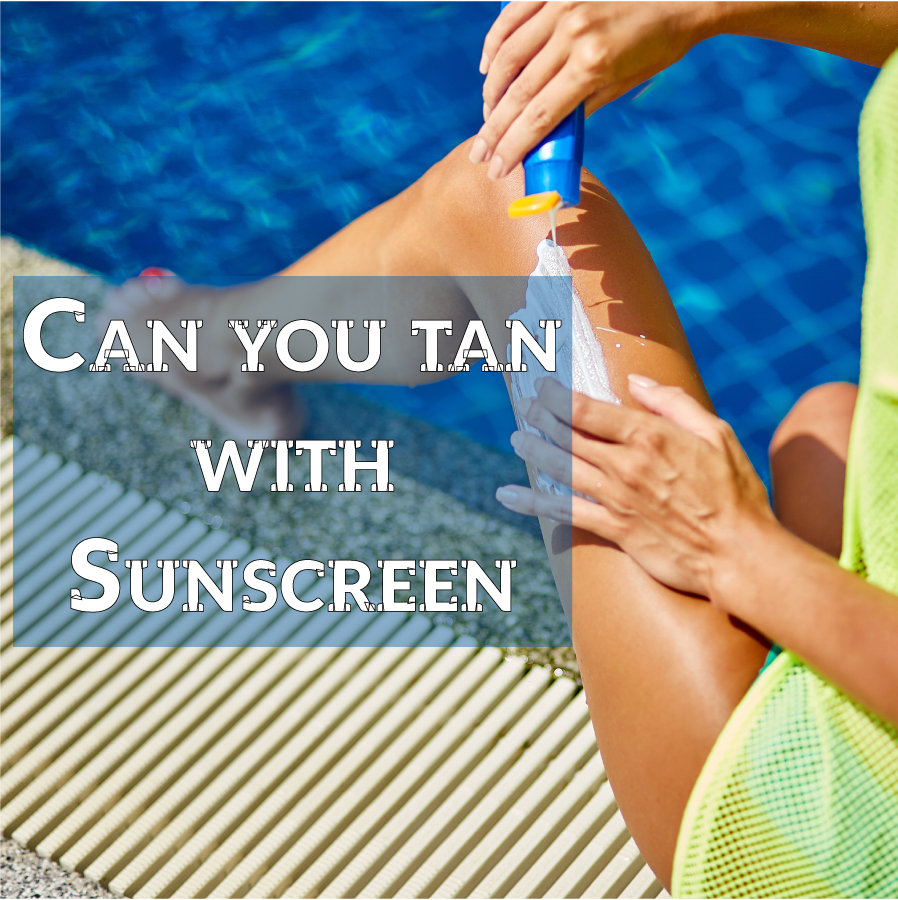
Applying sunscreen is essential after a chemical peel since your skin will be more photosensitive. In addition to increasing the likelihood of hyperpigmentation and other skin problems, ultraviolet light causes sunburns. If you want to protect your skin from the sun, then you must use a broad-spectrum sunscreen with an SPF of at least 30, nevertheless of the weather or whether you’re inside or outside. You must reapply it more often than every two hours in heavy perspiration or swimming.
Seek for cover and wear a wide-brimmed hat to protect yourself from the sun outdoors. Protecting skin from sun damage and aging is essential all year round. Still, wearing sunscreen in the weeks following a peel is particularly crucial.
Use Gentle, Non-Irritating Products
You should avoid anything irritating or damaging your skin after a chemical peel because it is more sensitive and easily damaged. This class includes alpha hydroxy acids (AHAs), beta hydroxy acids (BHAs), exfoliants, and retinoids. If your skin reacts badly to these substances, the recovery time may be longer than necessary.
Applying mild skincare products, such as serums and moisturizers, can help soothe and calm sensitive skin. Perfumes, colors, and other irritants are prohibited in personal care items, and neither are substances that clog pores (non-comedogenic). Talk to your dermatologist if you need help deciding which products suit you.
When to Seek Professional Help?
Although it is common for the skin to be slightly red and peel following a chemical peel, you should still consult a dermatologist if these side effects persist or worsen. Urgent dermatological attention is required if you encounter any of the following signs and symptoms:
- Severe or Persistent Redness and Swelling: A more severe reaction could be indicated if your skin stays red and swollen for a long time or if the redness worsens over time.
- Signs of Infection:Get medical assistance right away if you see any signs of an infection: blisters, intense pain, pus, or both.
- Unexplained Skin Discoloration: See a doctor if you notice any uneven or strange skin discoloration that won’t go away.
- Prolonged or Excessive Peeling:Although skin peeling is a natural component of the healing process, it can be problematic if it occurs too frequently or at too great an intensity.
If this happens to you, a dermatologist is the person to see. An alternative skin care product, a topical therapy, or other treatments may be suggested by your doctor to expedite your skin’s recovery.
Avoiding Skin Problems Caused by Peels
Precautions taken before and after a chemical peel can help keep your skin from looking worse than it already is. Doing the following can help you get the most out of the peel and avoid any adverse side effects:
Consistent Progress
For those new to chemical peels or who suffer from sensitive skin, it is suggested to begin with a milder peel and gradually increase the strength as your skin adjusts. The likelihood of severe side effects may decrease as your skin becomes accustomed to the exfoliants and finally forms a resistance. Find that milder peels aren’t producing the desired results. You may always talk to your dermatologist about how to gradually increase the strength of your peels as your skin gets used to them.
Follow Pre-Peel Instructions
Your dermatologist will probably give you some pre-treatment advice in the days before your chemical peel. You should exercise caution if these suggestions call for waxing or tanning. But there are a lot of people who say retinoids and exfoliants are bad for your skin. On an excellent peel with minimal side effects, follow the guidelines precisely.
If you have any preexisting diseases or are taking any drugs, it is essential to inform your dermatologist. Some of these ingredients can impair the skin’s natural healing ability or make it more sensitive to the peel’s harmful effects.
Regular Skincare Routine
Sticking to a regular skincare regimen will help your skin stay healthy and robust between peels. This regimen is based on the following daily practices: mild washing, moisturizing, and sun protection. To maintain smooth skin and avoid the accumulation of dead skin cells, use a gentle exfoliant like – Alpha Hydroxy Acid (AHA) or Beta Hydroxy Acid (BHA) regularly. Avoid irritating skin products and aggressive exfoliants; they do more damage than good.
Adding antioxidants like niacinamide or vitamin C can shield your skin from environmental aggressors and encourage a more even skin tone. Talk to your dermatologist if you need help deciding which products suit you. Check our Day or Night routines for your skin guidelines and products.
Conclusion
While your skin heals from a chemical peel, it’s typical for it to look worse. Over time, you can attain smoother, brighter, and younger-looking skin by knowing its origins and practicing the appropriate post-peel care. Keep in mind that being patient is essential if you want to achieve your goals. Adverse effects, however annoying they may be at first, usually disappear shortly. To get the most out of your chemical peel and speedy recovery, ensure you visit your dermatologist and treat your skin well as directed.
Affiliate Disclaimer
Please keep in mind that this article contains affiliate links. If you purchase products in this blog through these links, we may receive a commission at no extra cost to you. This helps support our research and editorial team, and we only recommend high-quality products.